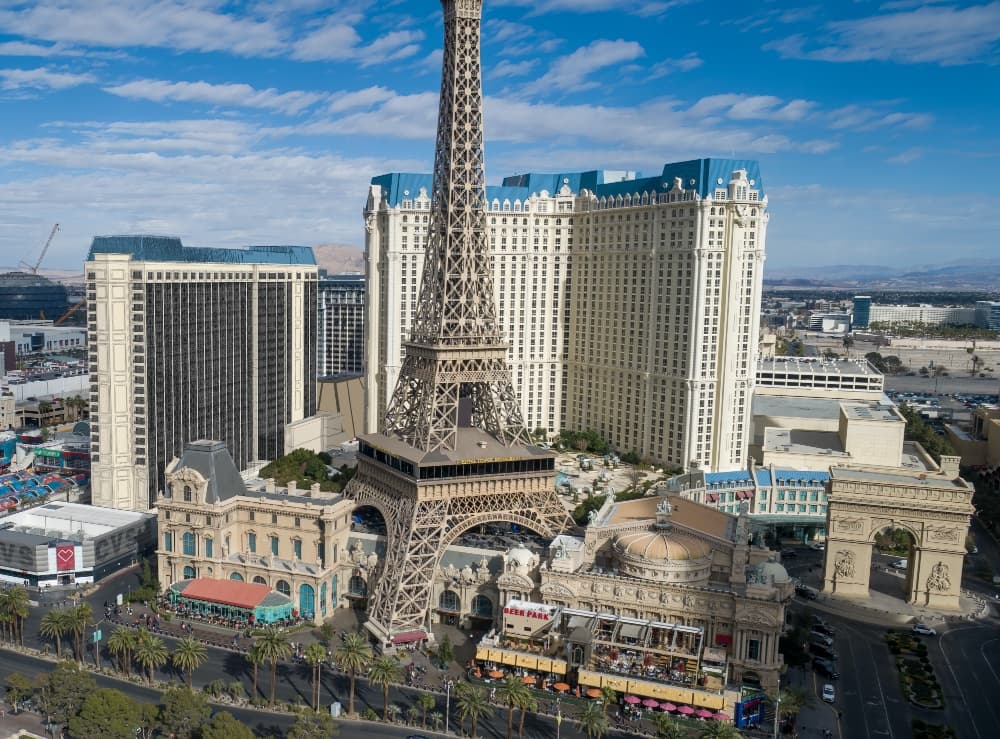
A Las Vegas Strip shaded walking route is less about finding one perfect sidewalk and more about linking hotels, malls, pedestrian bridges, and short outdoor stretches without pretending the desert heat is minor.
Summer visitors often underestimate how long it takes to move from resort to resort. A half-mile can include a casino exit, escalators, a bridge, crowds, sun exposure, and a second indoor maze before you reach the place you actually wanted. In July and August, that can turn a casual walk into the hardest part of the day.
Use this guide to keep walking useful without letting heat control the trip.
Quick Answer
In summer, walk the Strip in short segments, use resorts and shopping corridors as cooling breaks, carry water, and avoid long exposed stretches from late morning through late afternoon.
Plan the route with Las Vegas Strip walking distances, indoor things to do in Las Vegas in summer, and the Las Vegas packing list. If the walk looks annoying on a map, it will probably feel worse in heat.
Build Routes From Air Conditioning
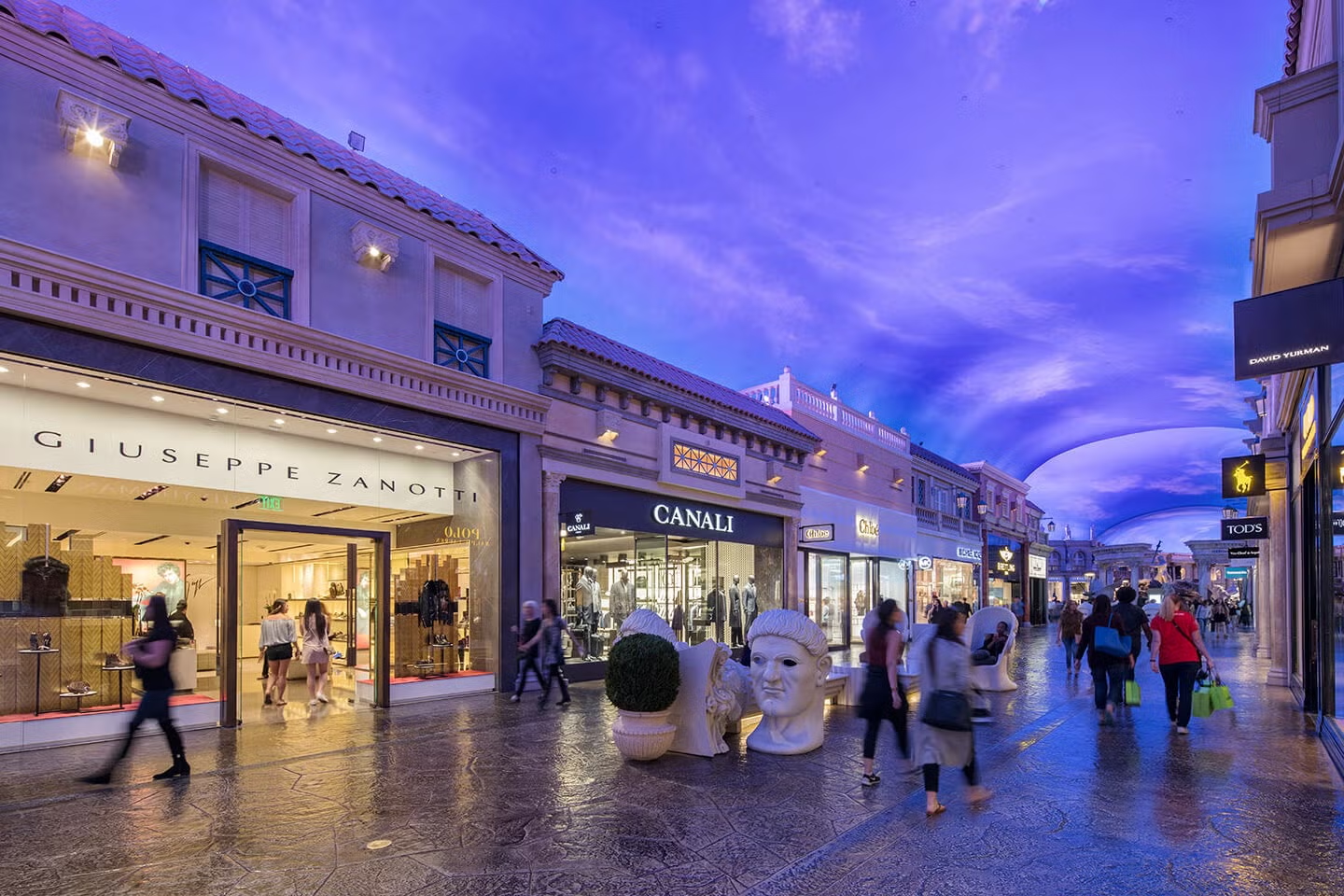
Start by choosing indoor anchors rather than sidewalk distance. Resorts, casinos, food halls, malls, and attraction lobbies can turn a long walk into several manageable pieces.
For example, a center Strip plan might move from one resort interior to a neighboring mall or casino before crossing outside again. A south Strip plan might use connected resort corridors where available, then save the exposed portion for the shortest possible segment.
The goal is not to avoid every outdoor step. The goal is to make the outdoor steps intentional.
Timing Matters More Than Distance
A Strip walk that feels fine at 8 a.m. can feel punishing at 2 p.m. If your itinerary requires outdoor movement, put the longest walks early, late, or after sunset.
Midday is better for indoor meals, shows, museums, shopping, spa time, casino browsing, or returning to the room. Read Las Vegas in July and Las Vegas in August if your trip lands in peak heat.
Do not treat a weather app temperature as the whole story. Sun, pavement, wind, stairs, and crowds all matter.
Pedestrian Bridges Are Helpful But Not Magic
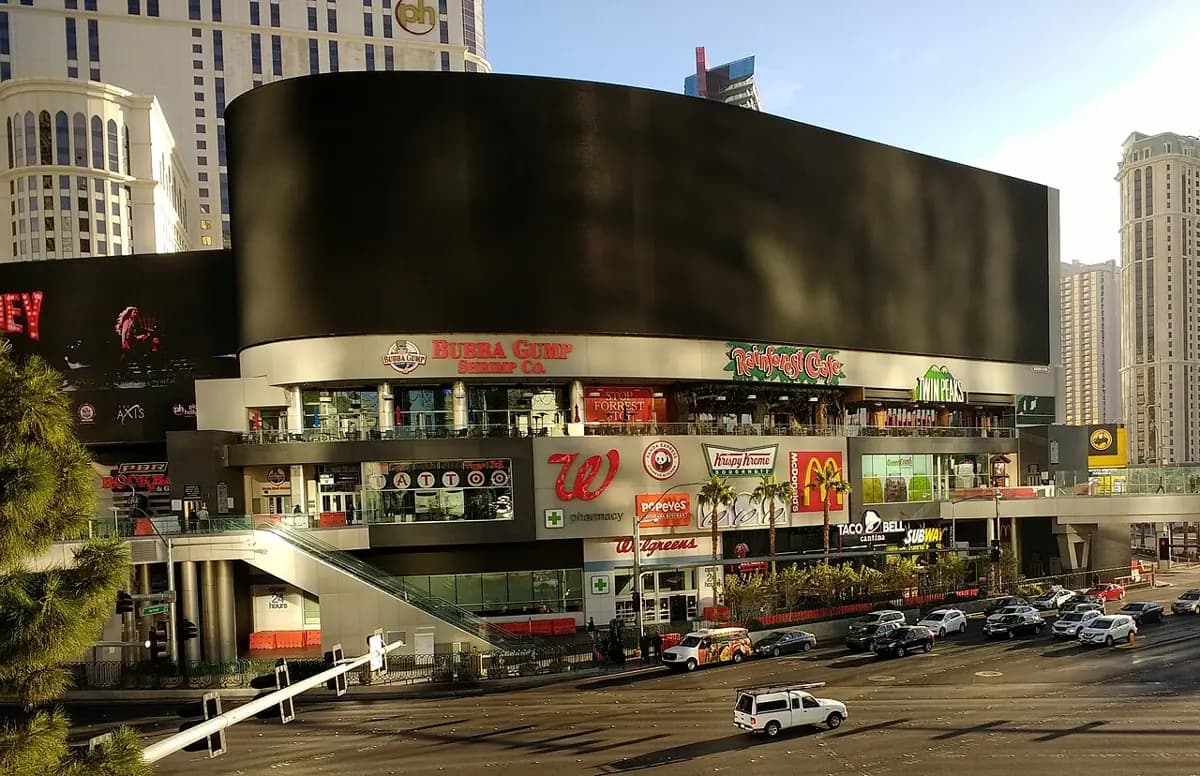
Pedestrian bridges keep people away from traffic, but they can add distance and vertical movement. You may need to find the correct escalator, elevator, casino entrance, or bridge level before crossing.
In summer, a bridge is useful when it creates a safer and more direct crossing. It is frustrating when it sends you in a loop you did not expect.
If anyone in the group has mobility needs, verify elevators and routes instead of assuming every crossing is simple.
Hydration and Supply Stops
Carry water before you need it. Electrolyte packets, sunscreen, a hat, sunglasses, and blister care can be more useful than another attraction reservation.
If your hotel room is understocked, use the Las Vegas Strip grocery and pharmacy guide early in the trip. Buying water after everyone is already overheated is late planning.
Also remember that alcohol and heavy meals can make long walks feel harder in heat.
When to Use Rideshare or Transit Instead
Walking is not a moral victory. Use a short ride, taxi, Monorail segment, or hotel shuttle when the group is tired, dressed for an event, traveling with kids, or moving through peak heat.
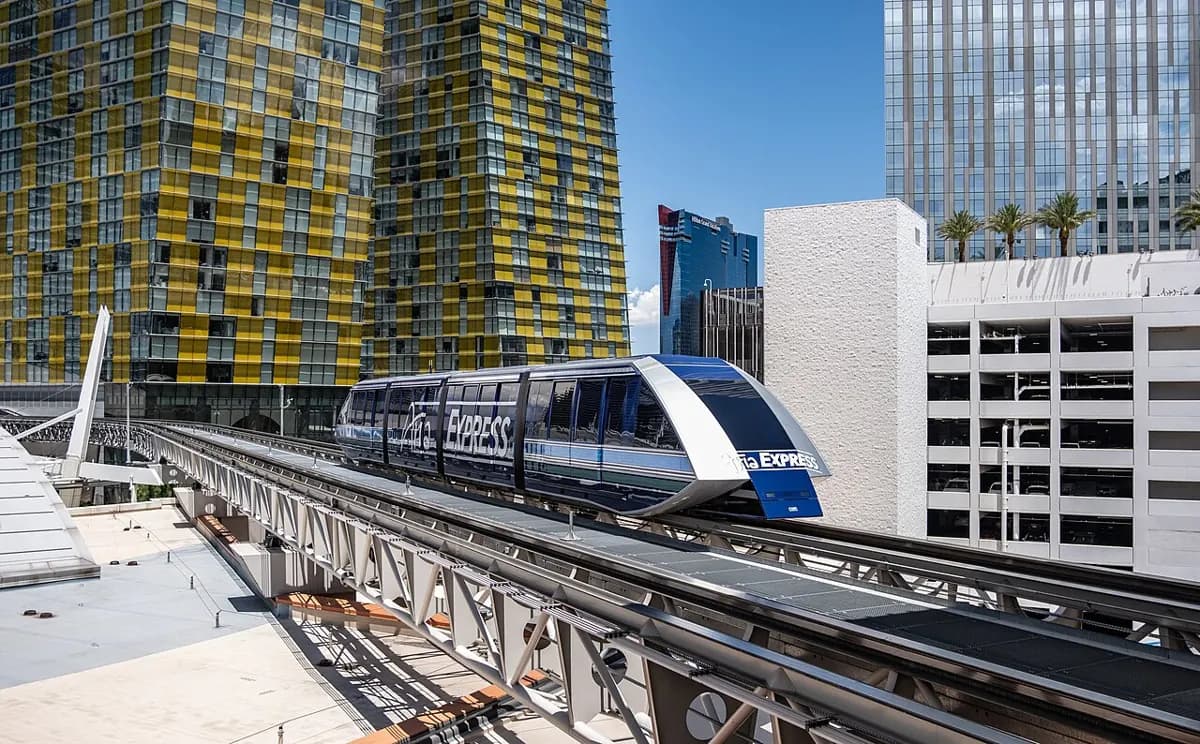
The Las Vegas Monorail worth it guide helps when your destinations line up with stations. The broader get around Las Vegas without a car guide covers the full car-free toolkit.
Spending a little money to protect energy can be a better deal than saving every ride.
Family and Group Strategy
Groups move slower than solo travelers. Children need shade, bathrooms, snacks, and shorter expectations. A walk that one adult can handle may not work for a stroller, grandparents, or a group dressed for dinner.
Set a turn-back point before leaving the hotel. If the first segment feels harder than expected, switch to an indoor stop or a ride.
For family-specific planning, start with Las Vegas with toddlers or things to do in Las Vegas with teens.
Evening Walking Still Needs a Plan
After sunset, heat usually becomes more manageable, but crowds, traffic controls, show exits, and event nights can still slow everything down.
Evening walks work best when the group is not rushing to a reservation. If you are moving to a show or dinner, leave more time than the map suggests and know which casino entrance you need.
Comfortable shoes still matter. The Strip is not a short stroll just because the lights make it fun.
What to Avoid
Avoid walking the entire Strip in one push during summer. Avoid exposed routes with no backup. Avoid starting a long walk without water because the destination looks close.
Also avoid forcing the group to keep walking after someone is clearly done. Heat mistakes compound quickly.
The Honest Take
The best summer Strip walk is short, shaded where possible, and built around cooling breaks.
Use hotels as stepping stones, choose the right time of day, and switch to transportation before the walk becomes the story of the trip. Las Vegas is more enjoyable when walking supports the plan instead of becoming the plan.